Authors Get $1.5 Billion From AI Giant

3-minute and 14-second read.
This Week:
- France is banning social media for everyone under 15
- She wet herself on the tennis court then everything changed
- Anthropic agrees to pay authors $1.5 billion
- Employers can now connect your anonymous accounts to your real identity
France’s Parliament Passes Social Media Ban for Children Under 15
On July 21, both houses of France’s Parliament passed a bill banning children under 15 from using social media. The ban is set to begin on September 1, but the bill could still face a constitutional review before it officially becomes law.
Starting September 1, children under 15 won't be allowed to open new social media accounts. Platforms will then have four months to close existing accounts belonging to children under 15. They will also have to check users’ ages, although the exact system hasn't been finalized yet.
Should a 13-year-old really have full access to TikTok, Instagram, and Snapchat?
Would less social media make your child safer and more focused, or would it just create fights at home? And will the ban work if teenagers use fake ages, borrowed accounts, or other ways around the checks?
France says it's trying to protect children, but the bill raises a bigger question: who should control what children see online, parents, technology companies, or the government?
She Wet Herself on the Tennis Court Then Everything Changed

A woman named Marta reportedly lost bladder control in front of her tennis group.
After using a three-ingredient formula for a few months, she reportedly regained control and returned to playing without fear.
Learn more.
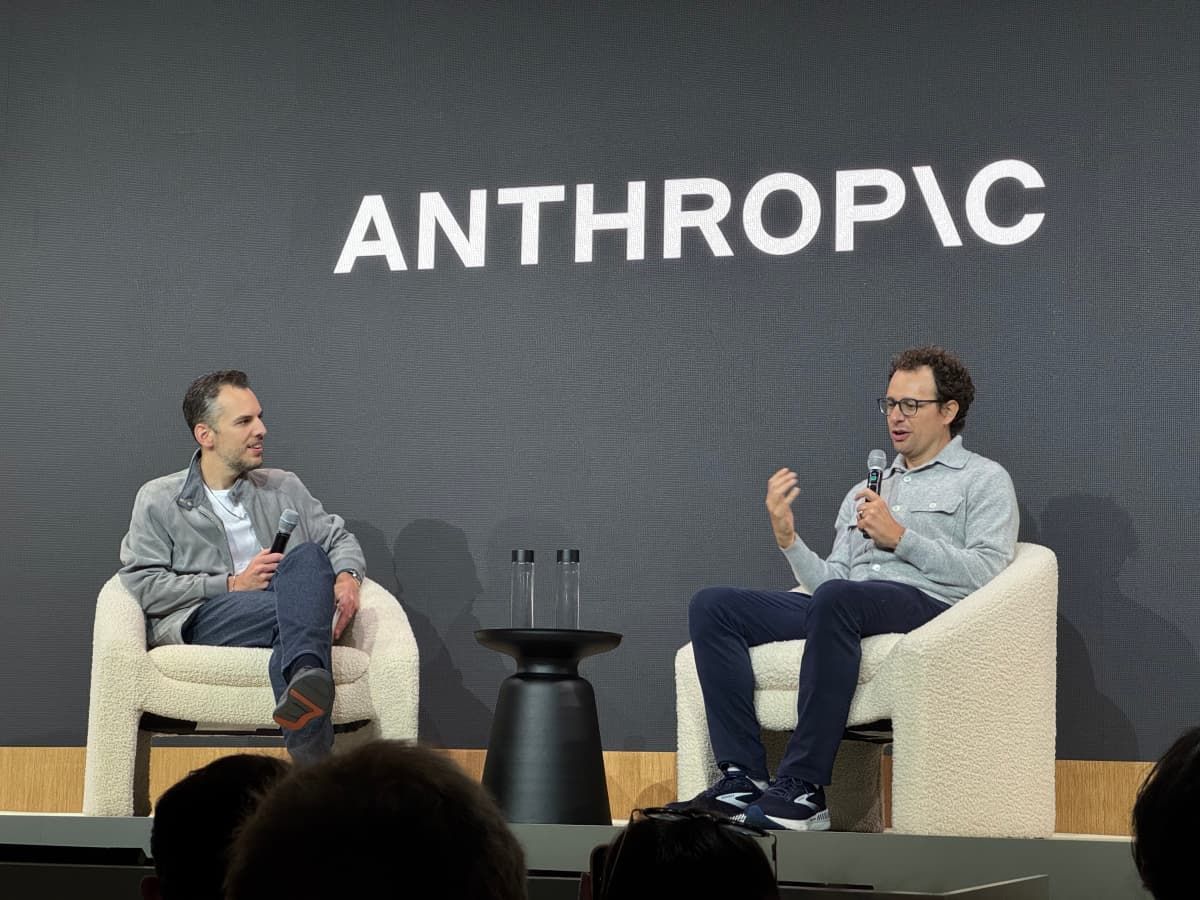
Anthropic Agrees to Pay Authors $1.5 Billion
A U.S. judge approved Anthropic’s $1.5 billion settlement with authors and publishers. They said the company downloaded pirated books while building Claude.
The deal covers about 482,000 books, with roughly $3,000 per book before fees. What if work you spent years creating was used to build a billion-dollar AI product without your permission?
The court said using books to train AI can sometimes be fair use, but downloading pirated copies and keeping them was a separate issue.
AI can help you work faster, but should companies be allowed to take your work for free?
Employers Can Now Connect Your Anonymous Accounts to Your Real Identity
Employers are using AI tools to search much deeper into applicants’ and employees’ public online lives. These systems can scan old posts, photos and usernames, then connect accounts you thought were anonymous to your real identity.
Some companies can even keep checking after you're hired. Would you be comfortable with your boss seeing a joke, angry comment or forgotten account from years ago?
This doesn't mean employers can automatically open your private messages or password-protected accounts. But public clues can now be joined together much faster.
Are you still the same person you were online five years ago? And should one old post be allowed to affect your next job, promotion or reputation today?
Please note that this content is for general information only and shouldn't be considered medical, financial, or professional advice. We encourage you to do your own research and consult a qualified professional before making important decisions.
Want more customers without a big marketing budget?
One sponsor generated 40 sign-ups, booked 12 qualified meetings, and added 8 opportunities to its pipeline, while another generated 56 sales and 18 repeat orders through a simple, affordable campaign.
Email newsletter@credtrus.com to discuss a low-cost sponsorship.