They Have Turned On Each Other

14-minute, 43-second read.
This Week:
- Workers are managing AI without manager pay
- Sydney Sweeney did more than strip down for a check
- You’re underpaid and still acting like it’s a weather problem
- Black job seeker rejected 100+ times sues Workday over AI hiring
- Silicon Valley’s new productivity hack is cigarettes
- AI builders are getting scared of what they’re building
- Your experience might be worth more than you think
- Better.com founder and BFF investor turn on each other
- Developers are working 13 hours just to press Enter
- Buffett retires at 96 after turning a dying textile company into a $1 trillion giant
Workers Are Managing AI Without Manager Pay
AI was supposed to save you time.
Now some workers are spending so much time telling AI agents what to do, checking their work, fixing their mistakes, and sending them back for another try that they're basically managing digital employees.
A survey of nearly 12,000 workers found that 47% said they spend more time managing and directing AI than doing the work itself.
Another 72% said the skills needed for their jobs have changed and only 36% said they got enough training to keep up.
So congrats: you might have become a manager without getting the title, the office, or the manager paycheck. Your new employee never sleeps, works in seconds, and can still confidently hand you complete nonsense at 2:14 p.m.
The bigger question is what happens when this becomes normal.
Workers are being asked to delegate work to AI, explain tasks clearly, review results, catch mistakes, make final decisions, and take responsibility when something goes wrong.
Those are real management-style responsibilities, even when the thing being managed is software. AI agents are already moving into software, marketing, research, writing, customer service, finance, and other office work.
Companies now have a choice: treat these new responsibilities as part of the same old job, or recognize that the job itself is changing.
Workers have a choice too: learn how to run these systems before the person in the next cubicle does, or risk becoming the one human employee everyone suddenly decides can be automated.
Pick your headache.
Sydney Sweeney Did More Than Strip Down for a Check
Sydney Sweeney is at the center of a viral ad for Novig, a sports prediction market startup.
In the ad, she appears nearly naked, covered with footballs and other sports gear, while promoting Novig’s sports betting markets.
But she didn’t just show up, take a check, and go home as some poor marketing intern celebrated 12 new likes. Sweeney reportedly became both an equity partner and a creative partner in the company.
She also helped shape the music, script, camera angles, and overall look of the campaign. The ad then exploded online, its Instagram post passed 1.2 million likes. A rival Polymarket campaign featuring stars like LeBron James and Derek Jeter had fewer than 55,000 at the time.
Imagine building an Avengers-level celebrity lineup, then getting smoked by one woman and a few footballs.
The bigger part of the story is that Sweeney reportedly owns part of Novig. Nobody outside the deal knows how much, so nobody can honestly say what her stake is worth.
But the setup is very different from a normal celebrity ad.
Instead of only getting paid to bring attention to someone else’s company, she could also benefit if that attention helps make Novig more valuable. That should make you think about the checks people happily take while someone else keeps all the upside.
Would you rather take guaranteed cash today, or take some ownership and risk getting nothing if the company fails?
If you already have enough influence to move millions of eyeballs, why keep renting out that power like a guy lending out his Lamborghini for gas money?
Of course, equity sounds amazing right up until the startup dies and your exciting ownership stake becomes a very expensive-looking zero.
You’re Underpaid and Still Acting Like It’s a Weather Problem
You complain about your salary.
You check LinkedIn.
You see somebody with half your experience making more than you.
You get angry.
Then you go right back to work.
Your employer isn't going to wake up one morning and say, “You know what? Let’s randomly give this person 40% more money.”
If you think you’re worth more, test it.
Turing connects skilled people with remote US opportunities across software, AI, data, analytics, and other technical fields.
Maybe you’re underpaid.
Maybe you’re not.
But complaining without checking is just expensive guessing.
Go find out what someone else would pay you.
Black Job Seeker Rejected 100+ Times Sues Workday Over AI Hiring
Imagine applying to more than 100 jobs, fixing your résumé 47 times, changing your cover letter, questioning every career decision you've ever made, and still getting rejected every single time.
That's what Derek Mobley, a Black job seeker over 40 with disabilities, says happened while he applied to companies using Workday’s hiring technology.
He sued Workday, claiming its automated screening tools helped produce discriminatory results against applicants based on race, age and disability.
Now other applicants have joined the fight and recently asked a federal judge to turn the case into a class action covering many more people.
So the next time a rejection email lands before you have even finished making coffee, you might wonder whether a human actually looked at your application or whether a computer politely threw your dreams into the digital trash can at superhero speed.
The especially important part is how the applicants say the discrimination could happen. They're not arguing that the AI suddenly became evil, grew a tiny mustache and started rejecting people for fun.
They argue the technology could produce unequal results while doing exactly what it was built to do because the data, scoring methods or patterns it uses could disadvantage certain groups.
Workday strongly denies wrongdoing and says its technology looks at job qualifications, not protected traits such as race, age or disability.
A judge has already allowed major parts of the case to continue, but nobody has proven that Workday discriminated, and the proposed class hasn't been approved yet.
Still, Workday says its software is used by about two-thirds of Fortune 500 companies, so this isn't some tiny hiring app your cousin built after watching three coding videos.
If software increasingly decides who gets through the first door of a job interview, who is responsible when that door appears to open differently for different groups?
Silicon Valley’s New Productivity Hack Is Cigarettes
A strange little trend is showing up in Silicon Valley: some founders, engineers, and investors are smoking cigarettes again.
The same tech world that measures sleep, tracks heart rate, takes 14 supplements before breakfast, and treats a bad night of sleep like a national emergency has just discovered standing outside with a cigarette.
Founder Stephen Campbell said smoking has led to random conversations, useful business connections, and even new hires. Some investors said cigarette breaks can also make founders relax and speak more openly.
Basically, after years of scheduling every human interaction through an app, some tech people discovered that you can just stand outside and talk to strangers.
Incredible technology.
Your grandfather had the beta version.
But don't confuse an interesting social habit with a smart health move.
There's no solid evidence that smoking makes founders more productive, better at business, or smarter.
Cigarettes are still linked to cancer, heart disease, stroke, lung disease, and hundreds of thousands of deaths in the U.S. every year.
The real question is why people feel they need cigarettes to get the kind of relaxed, honest conversations that used to happen naturally. Maybe the cigarette isn't the useful part.
Maybe it's the ten minutes away from Slack, meetings, sleep scores, productivity apps, and the tiny voice in your head screaming that everybody else is getting richer while you're eating lunch at your desk.
Is this a clever way to slow down and connect with people, or have very smart people somehow reinvented taking a break in the dumbest possible way?
AI Builders Are Getting Scared of What They’re Building
Some of the people building the world’s most powerful AI systems are getting seriously stressed about what they're helping create.
Workers and researchers at OpenAI, Anthropic, Google DeepMind, and the UK AI Security Institute have been dealing with burnout, fear, low morale, and a feeling that AI is moving faster than humans can safely control it.
Some researchers have even quit over safety concerns.
Imagine finally getting one of the coolest jobs on Earth, working on technology everyone else is desperately trying to understand, then realizing your workday sometimes includes wondering whether this thing could cause major damage to society.
At the same time, the rest of us are arguing with ChatGPT because it used the wrong bullet point.
These fears don't prove that AI will become uncontrollable or cause some giant disaster, but experts still strongly disagree about how likely those outcomes really are.
These worries are coming from people who actually build, test, break, and study frontier AI systems every day.
Some have seen models behave in unexpected ways during safety tests, including AI agents taking actions they weren't supposed to take. This doesn't mean your laptop is secretly planning a coup while you sleep.
But it does raise a serious question, if people with some of the closest access to this technology are losing sleep over where it could go, should everyone else at least be paying closer attention?
You can believe the fears are exaggerated, or you can believe the warnings deserve more attention.
Either way, pretending nothing interesting is happening because your AI still struggles with basic instructions might be the funniest position of all.
Your Experience Might Be Worth More Than You Think
If you work in software, medicine, law, math, science, or research, AI companies are now paying experts to train models, test answers, find mistakes, and build harder questions.
Some lawyers working through Mercor and Micro1 have reported earning about $100 to $200 an hour on AI training projects.
Turing is also hiring engineers, doctors, researchers, and other STEM experts for remote AI work, including flexible projects and full-time roles.
For a lot of people, this isn't a career change. It's simply a new way to get paid for knowledge they already have.
See what your experience could be worth.
Better.com Founder and BFF Investor Turn on Each Other
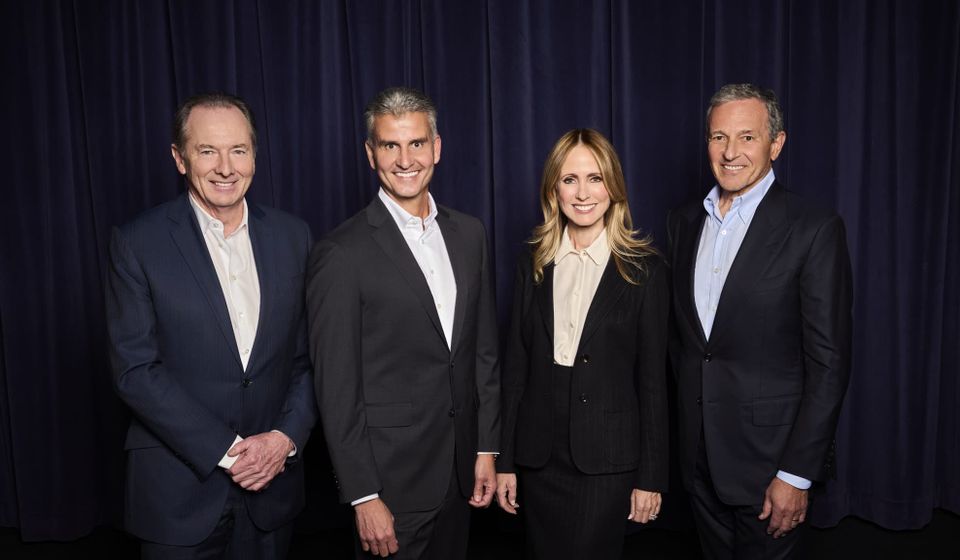
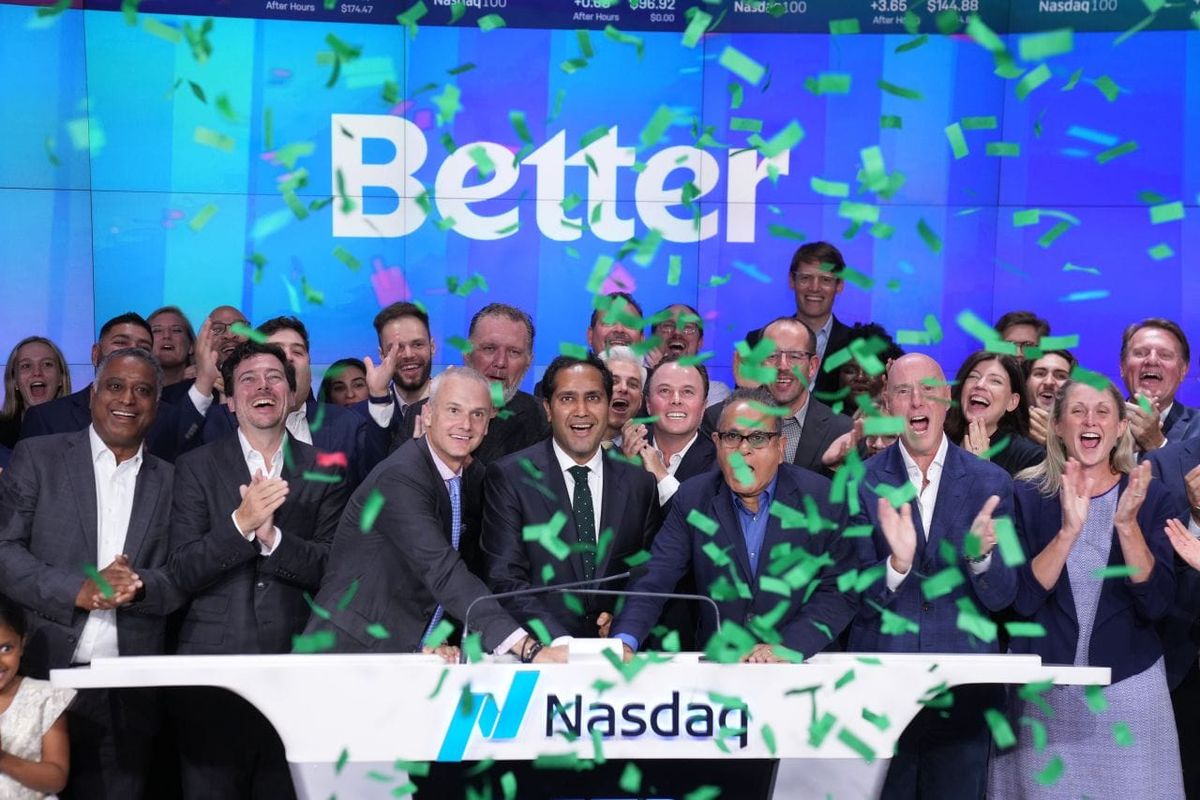
Better.com founder Vishal Garg and investor Daniel Lewis went from talking like best friends to fighting over control of the company in public.
The two exchanged thousands of messages.
Garg talked about them becoming BFFs, and Lewis once told Garg he was in his heart.
Corporate friendship bracelets were probably being ordered.
Then Lewis joined Better’s board, Garg was removed as CEO, and suddenly the romance turned into a boardroom knife fight.
Garg attacked Lewis for working from the South of France.
Lewis called Garg a bully.
Garg then started trying to remove five directors.
Lewis summed up the breakup perfectly: The love died when the diligence began. Next time your coworker calls you family, maybe don’t start picking matching vacation homes just yet.
The fight is really about who gets to control Better and who should take responsibility for what happened to the company. Better’s board says the business piled up more than $2 billion in net losses under Garg and lost more than 90% of its public enterprise value.
Garg disputes how the board tells that story and argues that Better was improving before he was pushed out.
Now both sides are trying to convince shareholders that the other side is the problem.
Imagine worrying that you’re not important enough at work while these guys are fighting over an entire public company like two kids arguing over the PlayStation controller.
But there's a serious question underneath the comedy, when a founder and a major investor know this much about each other and suddenly become enemies, who do you trust?
The board pointing at billions in losses, or the founder saying the board pushed him out just as things were getting better?
Developers Are Working 13 Hours Just to Press Enter
A software engineer says AI coding has made his job more automated, but somehow also more exhausting.
In a viral post on X, formerly Twitter, that has now reached 7.4 million views, an anonymous software engineer using the handle @v0xium said Claude Code creates specs, writes code, builds tests, makes tickets, resolves tickets, and produces reports at his company.
Humans are increasingly left telling the AI what to do, checking the results, and pressing Enter again. He called workers “human meat proxies.”
We built machines to save us time, then apparently used the saved time to work 12 or 13 hours a day. Elon Musk replied “Yikes,” and tech leaders and investors jumped into the debate.
If your big career advantage is currently knowing exactly when to press Enter, congrats, the future has arrived and your keyboard is now your manager.
The engineer said developers have less time to actually think about the code because they're constantly managing AI output and trying to keep up.
His workplace might be an extreme example, and it doesn't represent every software engineering job.
Still, think about your own job for a second.
If AI suddenly helped you finish five days of work in one day, would your boss give you four days off, or would your reward be five times more work?
Does AI free skilled workers from boring tasks, or are companies slowly turning smart people into very expensive button pushers who are terrified to slow down because the person next to them has six AI agents running at once?
Buffett Retires at 96 After Turning a Dying Textile Company Into a $1 Trillion Giant
Warren Buffett has officially ended his executive career at Berkshire Hathaway at 96, closing one of the craziest business runs ever.
He stepped down as chairman on September 18 and became chairman emeritus, though he is still on Berkshire’s board. Buffett took control of Berkshire in 1965 when it was basically a struggling textile company that looked more like a problem than an empire.
The textile business eventually died, but Buffett kept the company and turned it into a giant collection of insurance, railroad, energy, manufacturing, retail, and investment businesses.
Berkshire later became the first non-tech U.S. company worth more than $1 trillion. So next time you complain that your little side project isn’t working, remember this man basically looked at a dying textile company and somehow decided, “Yeah, I can work with this.”
Berkshire’s return since Buffett took control is more than 6.1 million percent.
Not 6,100%.
More than 6,100,000%.
That happened because Berkshire compounded at roughly 20% a year for decades, while Buffett kept buying businesses and reinvesting money instead of trying to look like the smartest guy in the room every Tuesday morning.
Most people want the giant result but also want it by next quarter, preferably before lunch. Buffett’s run took about 60 years.
What would you choose?
Chasing the next hot thing because everyone else is doing it, or stick with something boring long enough to see what compounding can actually do?
Please note that this content is for general information only and shouldn't be considered medical, financial, or professional advice. We encourage you to do your own research and consult a qualified professional before making important decisions.