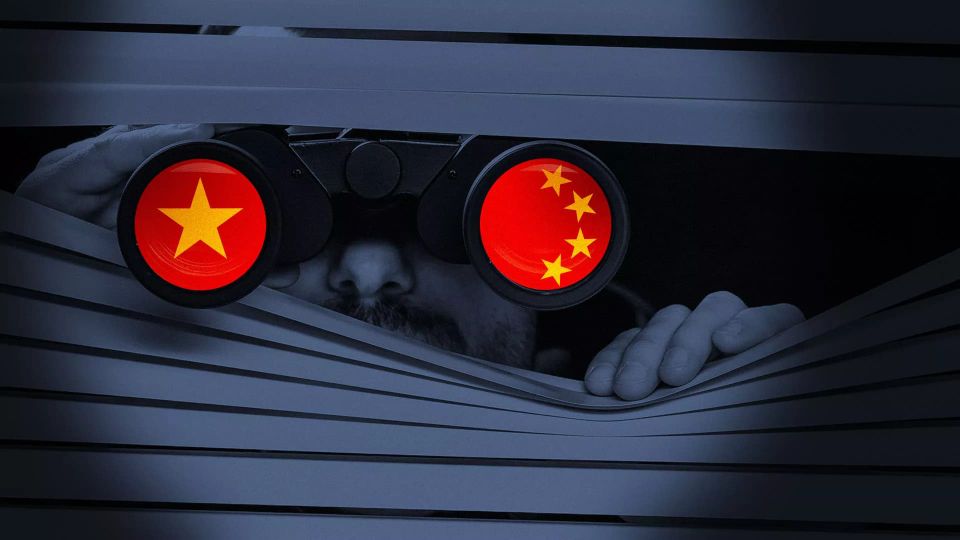
OpenAI and Meta Warn US Courts That AI Deepfakes Could Make Fake Evidence Almost Impossible to Spot


16-minute, 14-second read.
This Week:
- FTC puts Walmart, Uber, and Delta on the spot over AI pricing
- Your contracts hold the answers. Can you find them?
- Two major law firms report cyber breaches as attacks on the legal industry surge
- SEC puts companies on notice over AI spending and misleading investor claims
- California passes first-of-its-kind law restricting lawyers' use of AI
- Weil Gotshal plans to shut down after 95 years, leaving major corporate clients facing uncertainty
- Meta settles another social media addiction lawsuit as thousands of cases threaten tech giants
- Anthropic launches new Claude AI tools for contract reviews, legal research and compliance
- Lawsuits test whether ChatGPT can be held liable as a defective product
- OpenAI and Meta warn US courts that AI deepfakes could make fake evidence almost impossible to spot
FTC Puts Walmart, Uber, and Delta on the Spot Over AI Pricing
What if Walmart charged you $15 for something your neighbor bought for $10, just because its AI figured out you'd pay more?
On October 28, the Federal Trade Commission (FTC) ordered nine major companies, including Walmart, Target, Uber, Delta, United, JetBlue, Lyft, DoorDash, and Instacart, to explain whether they use personal data to set prices.
The FTC wants to know if things like your browsing history, location, and shopping habits could affect what you pay.
What if you told a friend you found a great deal, only to discover you're the only genius in the group who paid extra?
Customers aren't the only ones under the microscope.
The FTC also wants to know whether apps like Uber and DoorDash use drivers' personal data and work history to decide how much to pay them.
There could be two drivers doing the same job, but one gets less because an algorithm thinks he'll accept it anyway, an impressive way to make hard work feel like a punishment.
Delta, JetBlue, and Instacart have denied using personal data to set individual prices, and the FTC hasn't accused the nine companies of breaking the law.
They have 45 days to answer.
If your company uses AI to set prices or pay, could your legal team explain exactly how it works, or would everyone suddenly become very interested in taking a vacation?
Your Contracts Hold the Answers. Can You Find Them?
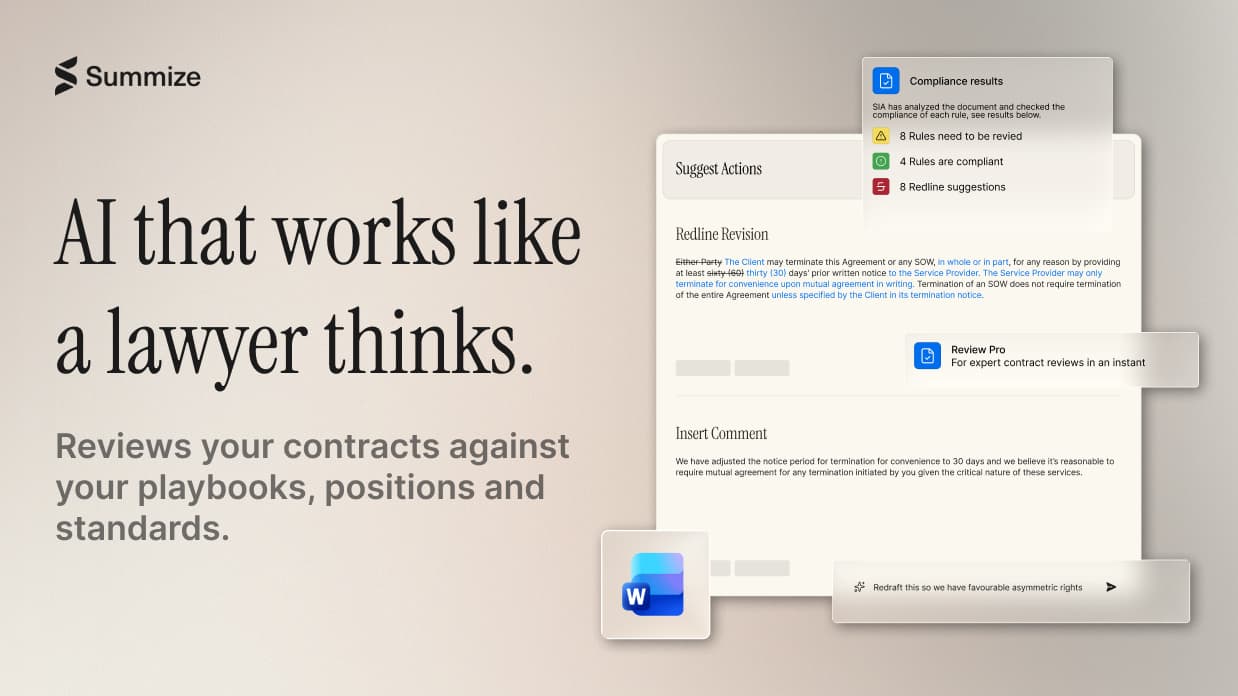
Every renewal date, liability cap and non-standard clause your business has agreed to is sitting in a signed contract somewhere. But how fast can you get to it?
Summize turns your contract portfolio into a searchable source of truth, so you can answer the business in minutes, not days.
Connect Summize to Claude via MCP and ask your contracts questions in plain English, wherever you work.
Spot risk across every agreement before it turns into a dispute or missed renewal.
Give commercial teams the answers they need without another email landing in legal’s inbox.
This is contract intelligence for the legal team that’s done with manual contract processes.
Two Major Law Firms Report Cyber Breaches as Attacks on the Legal Industry Surge
Two major law firms, Baker McKenzie and Troutman Pepper Locke, reported cyber incidents in October, and the way attackers got sensitive information could make you question that fancy cybersecurity budget.
In separate August incidents, attackers tricked employees into sending them confidential documents.
Not some genius hacker breaking through a million-dollar security system, just someone convincing an employee to hand over files.
Companies spend millions protecting their secrets, only for someone to send them straight to a stranger.
That's like buying a $100,000 security system and leaving your front door wide open with a welcome mat that says "Help Yourself."
If your lawyers can be tricked into sharing confidential files, how safe are the secrets you've trusted them with?
This isn't just about two law firms having a terrible day.
Cybersecurity researchers found 455 legal organizations named on criminal data-leak websites over 12 months, up 39% from the previous year.
That's a lot of legal professionals discovering that criminals don't care how expensive their degrees are. Law firms hold business contracts, acquisition plans, financial records, and sensitive client information.
Even if your company has excellent security, your outside lawyers could become another way for criminals to reach your information.
If you're a general counsel, when was the last time you checked how your outside law firms protect your company's data?
SEC Puts Companies on Notice Over AI Spending and Misleading Investor Claims
The SEC is watching what companies tell investors about artificial intelligence, and some executives could soon discover that adding “AI” to every presentation doesn't magically make the numbers add up.
On October 30, 2026, the agency's enforcement director, David Woodcock, said regulators are closely examining how companies report their AI spending, financial risks, and complicated business deals.
With billions of dollars flowing into AI, investors are worried that some companies may be spending more money than they can realistically earn back.
And those complicated deals where AI companies, investors, and suppliers keep paying one another? They raise questions about where the money is actually coming from.
You can call your company the future of technology all day, but if your financial reports look like a magic trick, the SEC wants to know what's behind the curtain.
The agency hasn't declared an AI bubble or accused specific companies of wrongdoing in this warning, but it has made one thing clear: investors deserve accurate information about material financial risks.
Suppose you're the general counsel of a company whose CEO just proudly announced another massive AI investment.
The investors are cheering, the board is celebrating, and someone in finance is quietly wondering whether anyone has actually read the contracts.
You could be the only person in the room who remembers that spending a fortune isn't the same as making one.
The SEC has already punished companies for misleading AI claims, including two investment advisers that agreed to pay a combined $400,000 in penalties in 2024.
That history gives legal teams a reason to examine AI-related investor presentations, SEC filings, financial commitments, and risk disclosures before problems emerge.
When investors start asking where their money went, saying "everyone else was investing in AI too" probably won't answer their questions.
If regulators examined your company's biggest AI investment tomorrow, would your legal team be ready to explain the numbers?
California Passes First-of-Its-Kind Law Restricting Lawyers' Use of AI
California just gave lawyers a warning: you can use AI to do your homework, but don't expect ChatGPT to show up in court and take the blame when you screw it up.
Governor Gavin Newsom signed Senate Bill 574 on September 30, 2026, putting new rules on how lawyers and arbitrators use generative AI.
Starting January 1, 2027, lawyers must check AI-generated information, verify legal citations, protect confidential client information, and remain responsible for their work.
That means the lawyer charging $600 an hour can't just copy an AI-generated argument, slap their name on it, and hope the judge doesn't notice that half the cases were invented by a chatbot with the confidence of a Supreme Court justice.
And if AI helps prepare court documents, lawyers face new disclosure and review requirements. Suddenly, that five-minute legal research miracle comes with something terrifying, actual homework.
Now picture yourself running a legal department, your team is proudly celebrating how AI helped finish 20 contracts before lunch. Everyone feels like a genius. Beautiful presentation, impressive productivity numbers, probably a LinkedIn post coming.
But who's checking whether the AI quietly exposed a client's secrets or invented a legal argument? That's the uncomfortable question California is forcing lawyers to answer.
The law doesn't ban AI, but it makes clear that professional responsibility stays with the human holding the law license.
For corporate legal teams and outside law firms, that means reviewing AI tools, tightening confidentiality rules, and making sure lawyers actually check what the software produces.
Firms that prepare before January could enter 2027 with stronger safeguards, those that don't could discover that their expensive AI assistant is excellent at saving time but remarkably bad at accepting responsibility.
Would you rather pay a lawyer who uses AI and checks every important detail, or one who trusts a chatbot so much they might as well let it collect their paycheck?
Weil Gotshal Plans to Shut Down After 95 Years, Leaving Major Corporate Clients Facing Uncertainty
Imagine hiring one of America's biggest law firms, paying top dollar, and then finding out the whole firm is preparing to close.
That's exactly the headache facing clients of Weil, Gotshal & Manges, a 95-year-old New York law firm with around 1,200 lawyers and more than $2 billion in annual revenue.
On October 28, the firm's leaders recommended shutting it down after several major partners left for competitors and merger talks failed. Looks like even a mountain of money and an army of expensive lawyers can't guarantee survival.
The final decision still needs a partner vote, but for corporate clients paying hundreds of dollars an hour for legal advice, this is one expensive reminder that even the people paid to protect your business might need rescuing themselves.
What if you were a general counsel with a billion-dollar deal underway, a major lawsuit approaching its deadline, and your trusted law firm was preparing to pack its bags?
You now have to figure out who will handle your contracts, protect confidential documents, meet court deadlines, and take over sensitive legal work without turning your company's biggest deal into a very expensive disaster.
Weil says it plans to keep serving clients during the shutdown process, but companies may still need backup lawyers and plans to transfer their cases safely.
If a 95-year-old legal giant with more than $2 billion in annual revenue can end up in this position, how confident are you that your company's most important legal matters would survive the sudden loss of its outside lawyers?
Meta Settles Another Social Media Addiction Lawsuit as Thousands of Cases Threaten Tech Giants
Meta just settled another lawsuit accusing its social media platforms of harming teenagers, and the timing couldn't be more awkward.
On October 30, Meta reached a deal with a teenager during a major trial in Los Angeles. The young plaintiff claimed that Facebook and Instagram were designed to keep kids scrolling for hours and hurting their mental health.
The settlement amount wasn't disclosed.
You open Instagram to watch one funny video, and suddenly it's midnight, you've watched 47 strangers argue about relationships, and your laundry is still sitting in the washing machine.
Meta denies deliberately making its platforms addictive and says it has introduced safety features to protect young users.
Meta and other social media giants are facing thousands of lawsuits claiming their apps were built to keep children hooked, even when doing so could harm them.
These aren't just angry parents demanding someone take away the Wi-Fi.
Lawyers are challenging the way these platforms were designed, including endless scrolling and videos that play automatically.
Earlier in 2026, a Los Angeles jury awarded a young woman $6 million in a case against Meta and YouTube.
For business leaders, the warning is hard to ignore.
That clever feature your product team celebrates because customers can't stop using it? One day, lawyers could be asking whether customers could stop using it.
Settlements don't prove wrongdoing, and the remaining claims still have to be decided. But with thousands of cases hanging over the industry, companies may have to explain whether keeping users engaged was worth the potential harm.
Where would you draw the line between a product people love and one they struggle to put down?
Anthropic Launches New Claude AI Tools for Contract Reviews, Legal Research and Compliance
Anthropic just gave lawyers another reason to wonder how much of their job AI can do.
On October 28, the company launched new Claude AI tools that help legal teams review contracts, check legal citations, research laws, and keep track of changing regulations.
Law firms Foley & Lardner and Goodwin even helped build some of the tools, actual lawyers helped create software that could take some of their most boring work off their hands.
Remember spending three hours checking contract clauses, only to discover someone forgot a comma? Claude wants to help with that.
The tools can flag unusual contract terms, find missing obligations, and compare laws across different states and countries.
But AI can still make mistakes, and one wrong legal citation or missed contract clause could turn a small problem into a very expensive one.
Anthropic says the tools provide links to supporting sources, but lawyers still need to check the results, especially when confidential information and major business deals are involved.
For general counsels and legal operations leaders, the bigger question is what happens when another company's legal team can review contracts in hours instead of days, but yours is still emailing version 17 of the same agreement.
No, buying AI doesn't automatically make your legal department smarter and refusing to use it doesn't make your team more careful, either.
So which would worry you more: trusting an AI tool that might miss something, or finding out your competitors are getting legal work done faster without it costing them a fortune?
Lawsuits Test Whether ChatGPT Can Be Held Liable as a Defective Product
ChatGPT is facing a growing number of lawsuits, and lawyers are now fighting over a question that sounds ridiculous until someone has to pay: Is ChatGPT a defective product or just a service?
Families have sued OpenAI, alleging that ChatGPT contributed to suicides, mental health crises, and other serious incidents.
They argue the chatbot was designed without enough safety protections and should be held responsible when things go terribly wrong.
OpenAI disagrees, arguing that ChatGPT provides information and should not be treated like a physical product.
Figuring out whether your AI assistant is more like a dangerous toaster or a very talkative customer service agent is now a serious legal battle.
The allegations are serious, the families want accountability, and the courts still have major questions to answer.
If courts decide AI chatbots can be defective products, the companies building and selling AI could face much bigger legal responsibilities. That could change contracts, insurance, safety requirements, and who pays when AI causes harm.
For companies buying AI tools, those boring contract sections nobody reads until everything catches fire could suddenly become very expensive. Your legal team might want stronger promises from vendors, clearer limits on responsibility, and protection against lawsuits.
If your company is already putting AI into customer service, financial decisions, or daily operations without checking those terms, you've given your legal department a surprise it definitely didn't order.
No broad final ruling has settled the question yet.
But here's something worth asking, if your AI vendor's technology causes serious harm tomorrow, who pays the bill, your company or theirs?
OpenAI and Meta Warn US Courts That AI Deepfakes Could Make Fake Evidence Almost Impossible to Spot
OpenAI and Meta have warned US judges that AI is getting so good at creating fake videos, photos, and voice recordings that even experts may struggle to tell what's real.
At a meeting on October 15, the companies explained how easily someone could create fake evidence and bring it into court.
Someone could make a video of your CEO admitting to fraud, and suddenly your legal team has to prove the boss wasn't secretly running a criminal empire.
Now US courts are considering whether they need stronger rules to check digital evidence, one proposal would make lawyers prove that a recording is probably real after the other side presents evidence that it could be fake.
In a survey of 931 judges, only 15 said they'd encountered a case where someone challenged evidence as a possible deepfake.
Some judges argue that existing rules already deal with fake evidence.
Others worry that AI could make the problem much harder.
If a recording could cost your company millions in court, would you trust your own eyes, or would you want someone to prove it's real first?
Please note that this content is for general information only and shouldn't be considered legal, medical, financial, or professional advice. We encourage you to do your own research and consult a qualified professional before making important decisions.