
Burned Out, Stressed Out, and Checked Out. Can Worker’s Comp Help?
3-minute read.
In today's newsletter:
- You have worker’s comp benefits but do you really understand them?
- Report says Delve misled hundreds of customers on compliance
- Burned out, stressed out, and checked out. Can worker’s comp help?
- Work from home? Workers’ comp might still cover you
You Have Worker’s Comp Benefits But Do You Really Understand Them?
Many workers don't fully understand workers’ comp benefits.
Regular employees are usually covered more clearly, while independent contractors may not be covered.
Claims can include slow injuries like wrist, back, or neck problems from repetitive strain, overuse, or poor ergonomics.
Workers’ comp often pays only part of normal earnings, and missed deadlines or weak paperwork can hurt a claim. Read the complete story.
Report Says Delve Misled Hundreds of Customers on Compliance
A report claimed Delve, a Y Combinator-backed compliance startup, may have made hundreds of customers look compliant without proper auditing.
Raising questions about SOC 2, a review of a company’s security controls, and ISO 27001, an international standard for managing information security.
Delve denied the claims and said it doesn't perform audits or issue SOC 2 reports.
But helps customers prepare for independent audits with automation tools.
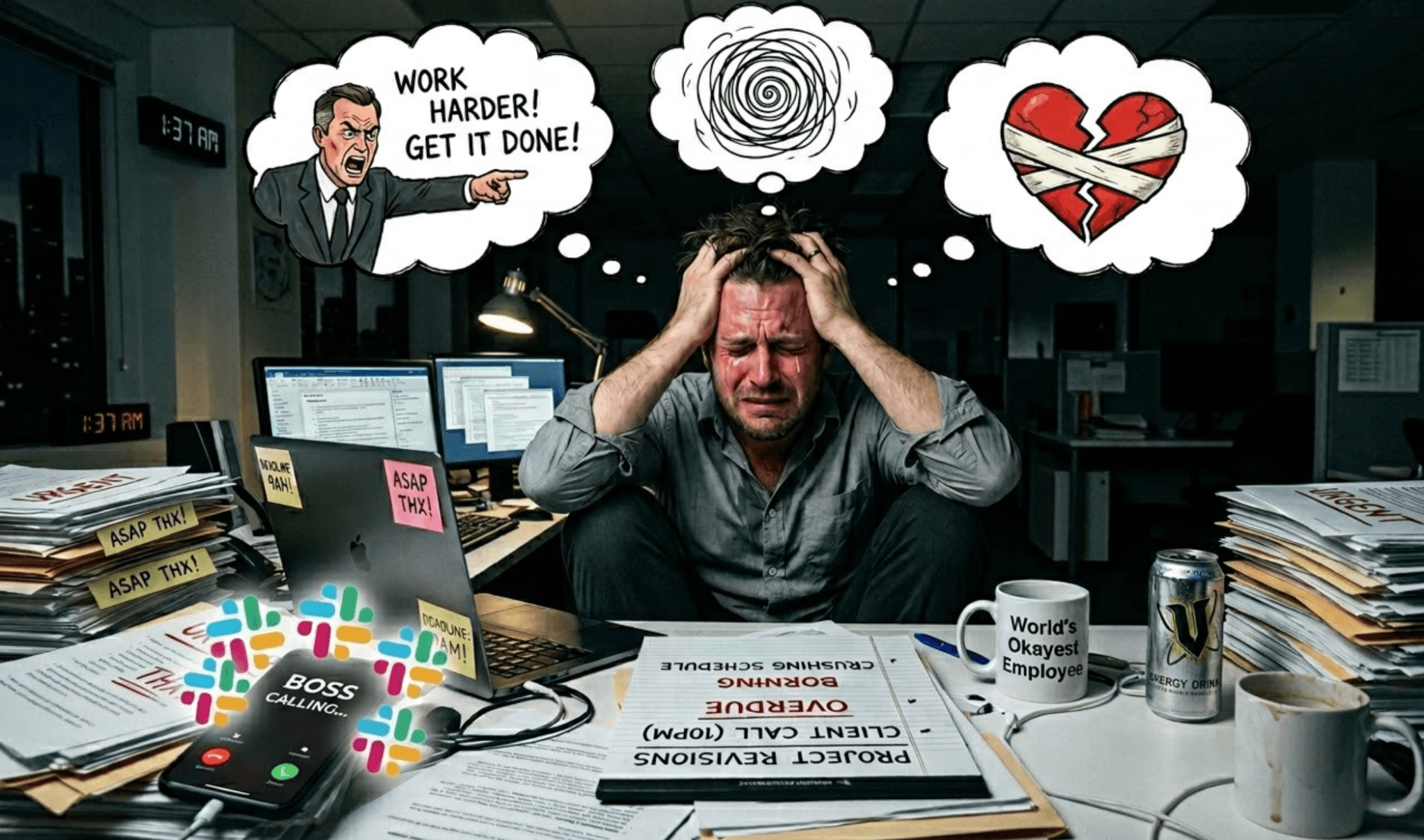
Burned Out, Stressed Out, and Checked Out. Can Worker’s Comp Help?
Burnout and stress can sometimes qualify for workers’ compensation, but these claims are harder to win than physical injury claims.
Workers usually need proof the condition is tied to the job and was reported on time under state rules.
Helpful proof can include a diagnosis, medical records, and symptoms like migraines, panic attacks, insomnia, chest pain, or high blood pressure.
Save late-night emails, nonstop messages, calendars, long-hour records, and workplace complaints. Read more.
Work From Home? Workers’ Comp Might Still Cover You
Work-from-home employees can still qualify for workers’ compensation if the injury happens during paid work.
Injuries may be covered when carrying company equipment or reaching for work files, but not personal accidents like tripping over a child’s toy.
Remote injuries are harder to prove because there may be no witnesses, cameras, or supervisors.
Workers should document the time, task, device used, and longer-term issues like back pain, neck pain, and wrist strain. Read the full story.
For information only, check the details yourself and talk to a qualified professional before making decisions.